We Want a Functional State. An Open Discussion Showed That Without Transparent Oversight, It Will Not Be Possible
Democracy relies on engaged and interconnected citizens, participants heard at the meeting of the Fund for Transparent Slovakia.
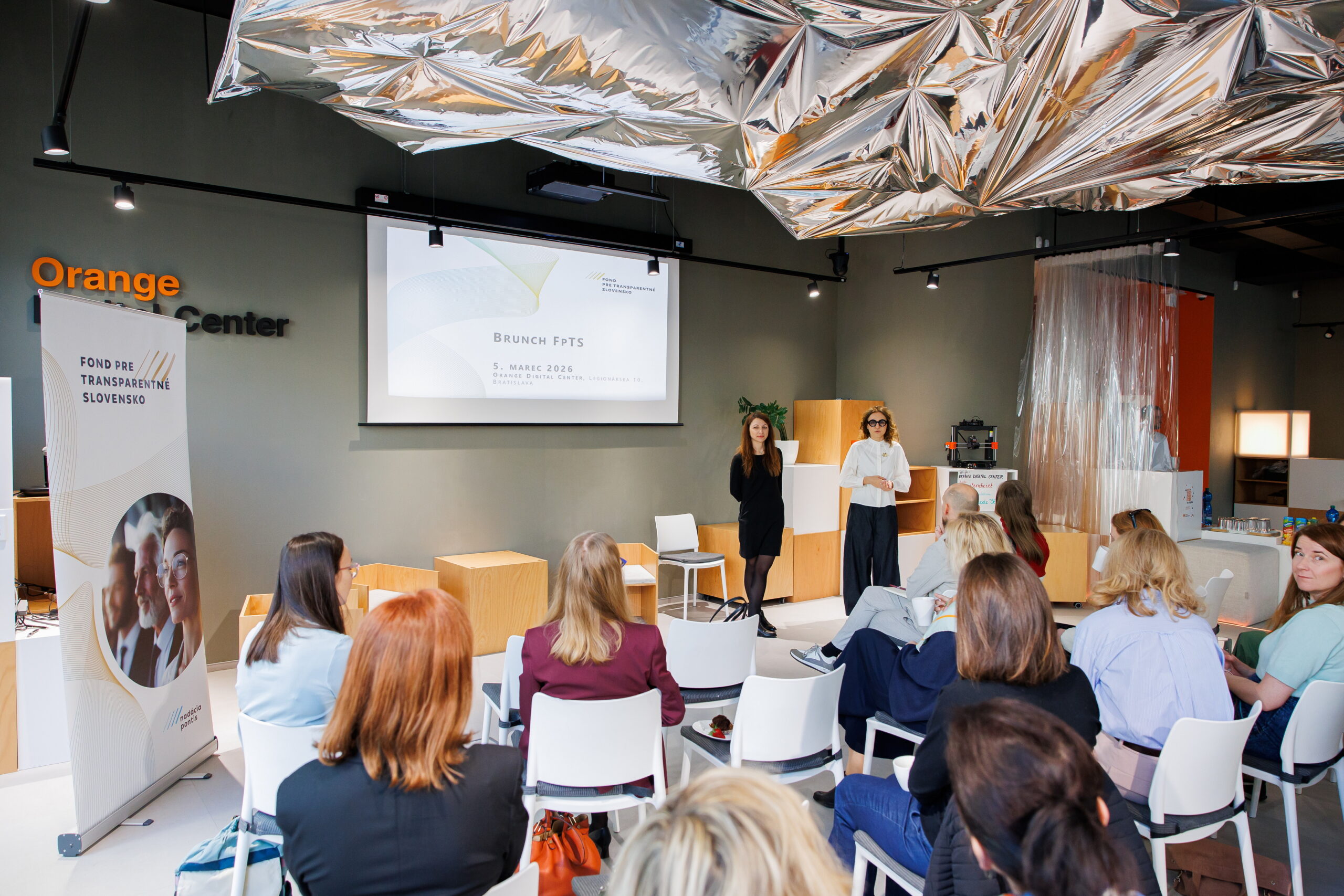
At the March meeting of the Fund for Transparent Slovakia (FfTS), representatives of companies and non-governmental organizations came together as donors and grantees contributing to initiatives of broad public importance. The fund has operated within the Pontis Foundation for 14 years and brings together partners with a shared goal – a fairer and more transparent Slovakia. The fund contributes to this vision by supporting organizations that draw attention to non-transparent conduct by institutions and gaps in the protection of the rule of law, expose shortcomings in the management of public resources, and propose systemic improvements.
Reviewing last year’s activities, the FfTS Program Manager Petra Luptáková said that the fund once again supported the Impact Lab program, through which the Pontis Foundation provides civic organizations not only with grants, but also mentoring, strategic guidance, and capacity building.
Last year, the fund allocated €50,000 to Impact Lab projects focused on protecting democracy and its institutions. It also launched the Watchdogs of Public Procurement grant call, under which three projects received grants totaling nearly €33,000. An overview of the supported projects can be found at the end of the article.
Slovakia Today: Attacks on Institutions Protecting the Public Interest
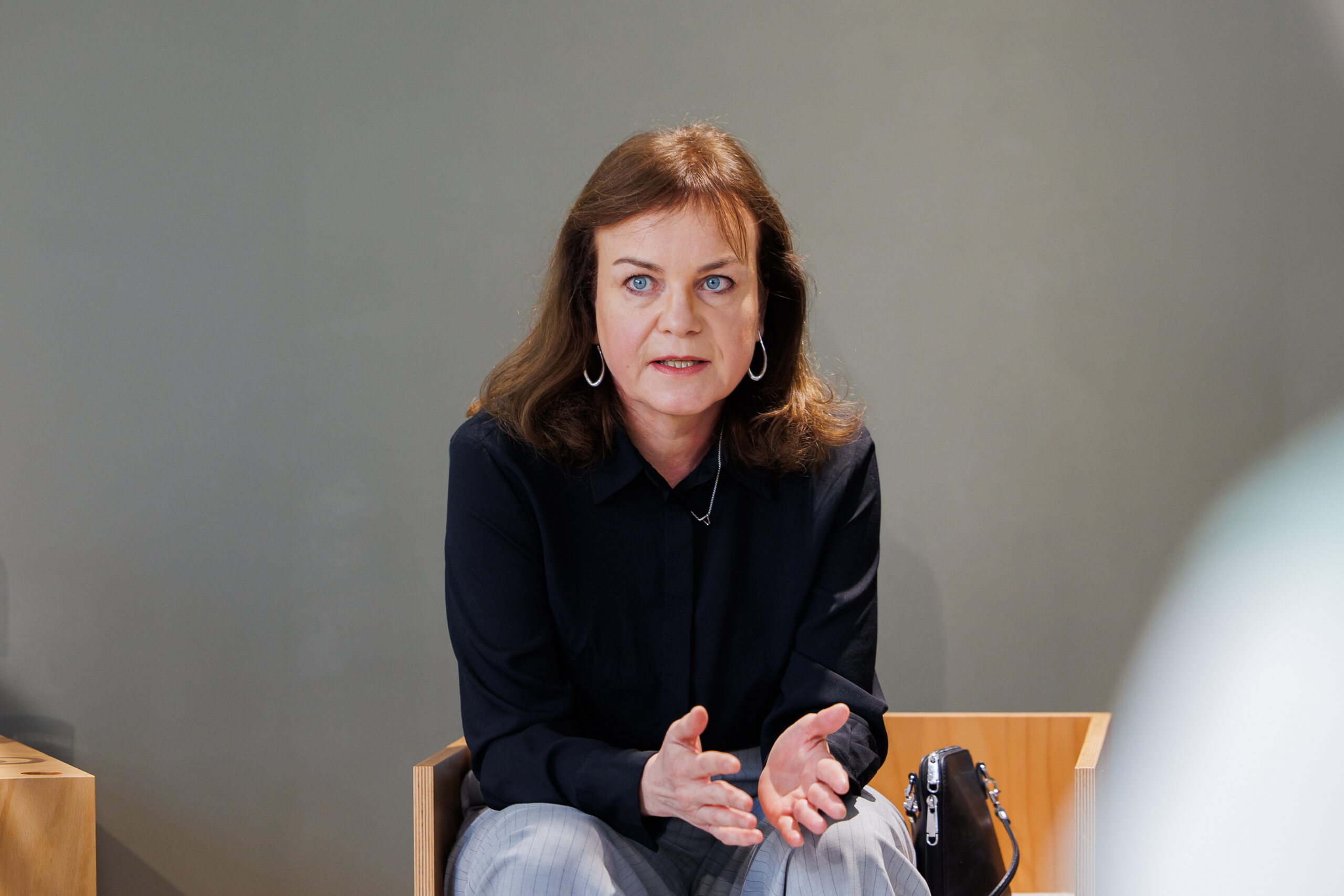
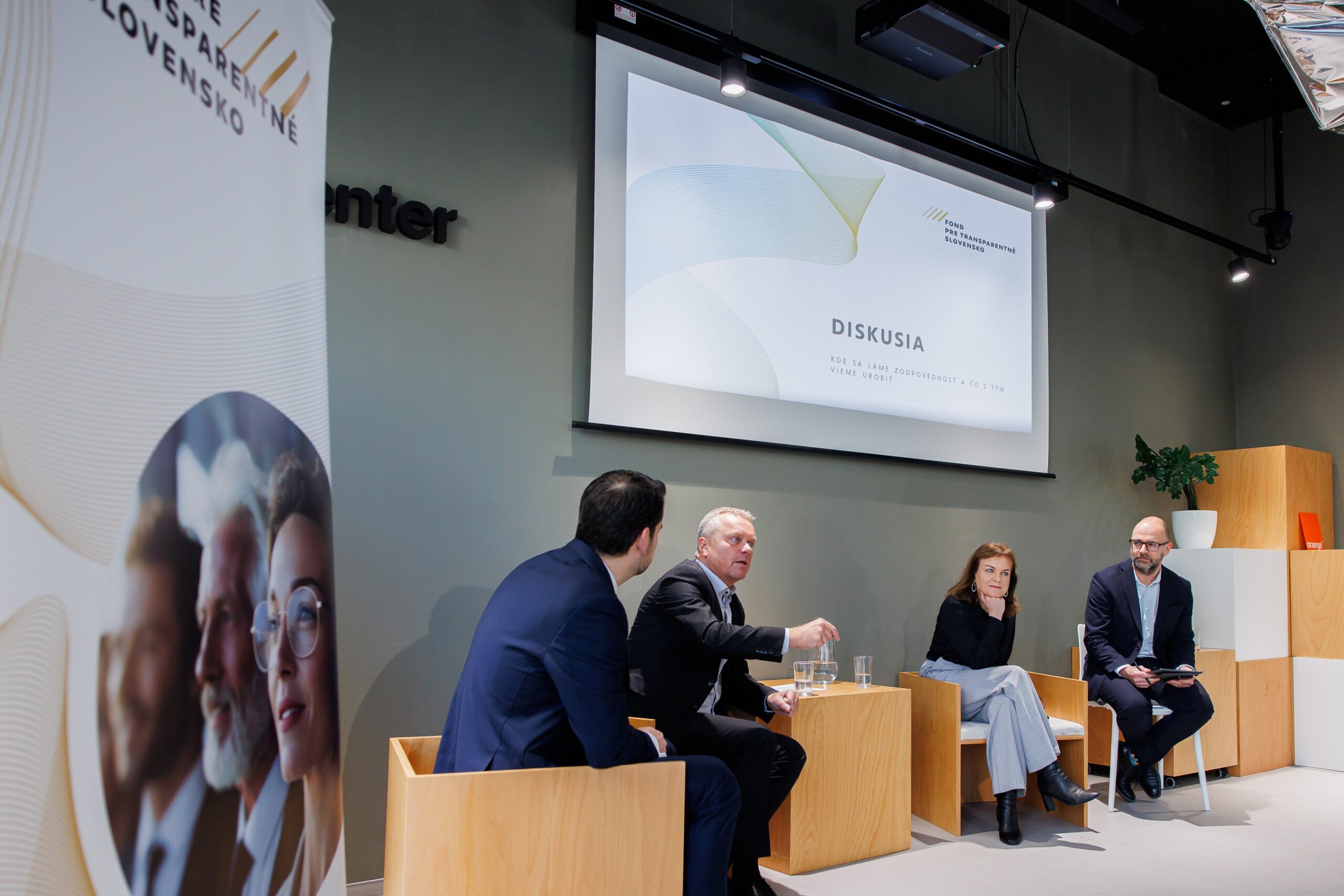
Michal Kišša, Co-CEO of the Pontis Foundation, opened a discussion titled “A Functional State: Where Responsibility Divides and What We Can Do About It.” The panel discussed shortcomings in state governance, oversight of public resources, and impacts on the business environment. The speakers included Zuzana Petková, director of the Stop Corruption foundation; Ľubomír Andrassy, president of the Supreme Audit Office of the Slovak Republic; and Matej Stuška, public affairs manager at O2 Slovakia. “Instead of cooperating with oversight bodies and trying to correct mistakes in order to protect our shared resources, state institutions are attacking the very institutions responsible for oversight,” said Zuzana Petková, describing the current situation.
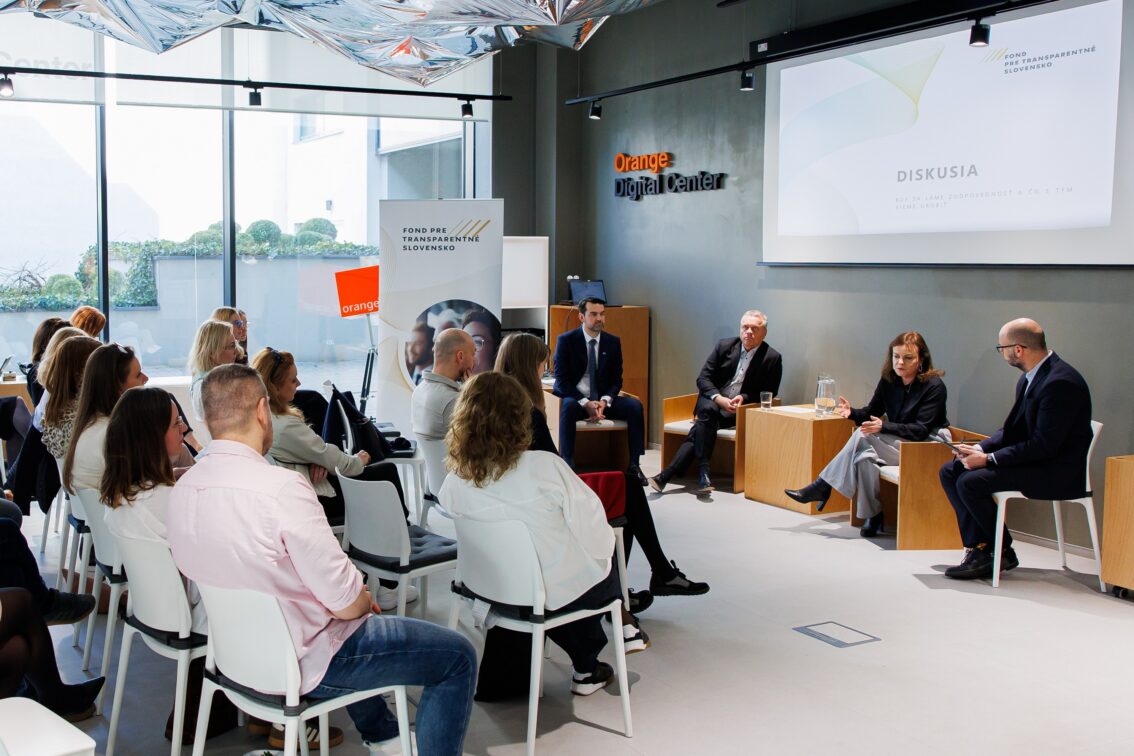
The discussion titled “A Functional State: Where Responsibility Devides and What We Can Do About It” offered several insightful perspectives.
Evidence of paralyzed oversight within institutions and the state’s failure to operate transparently can be seen in the resistance of audited entities, which hire lawyers using public money to fight against the Supreme Audit Office. “This is the result of a culture of irresponsibility that has become deeply rooted in the public sector,” said Ľ. Andrassy.
According to him, it is crucial to establish effective anti-corruption mechanisms and protect whistleblowers. “We are deliberately and knowingly dismantling internal control systems that are meant to identify problems and prevent corrupt behavior,” warned the president of the Supreme Audit Office, referring to attacks on independent institutions, including the Whistleblower Protection Office.
Transparency and effective oversight are also important for companies that must respond to rapid legislative changes, geopolitical development, state fiscal consolidation, and the related increase in costs. “Transparent oversight and regulatory mechanisms are essential for a fair business environment and for ensuring that the country functions as a true democracy,” emphasized M. Stuška.
Another major topic is investment in digitalization. “This is a challenge for the state. If we manage digitalization properly, we have a chance to streamline the state apparatus, while automation could dramatically reduce opportunities for fraud in many processes – something both businesses and citizens would appreciate. At the same time, many skilled people could move into professions where there is currently a shortage,” added M. Stuška.
More Audits? According to the Supreme Audit Office, the Problem Is Not the Nonprofit Sector
During the discussion, the President of the Supreme Audit Office also addressed the current issue of inspections targeting the nonprofit sector, approved by the government following the Constitutional Court’s ruling that the law on nongovernmental nonprofit organizations was unconstitutional.
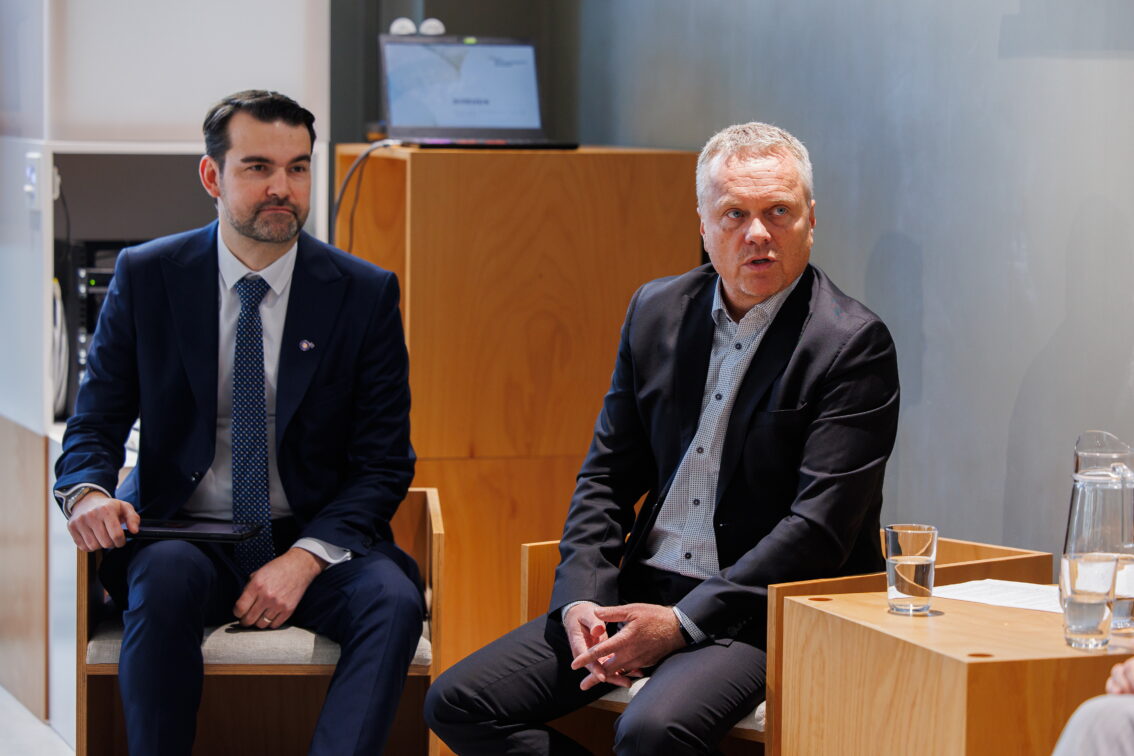
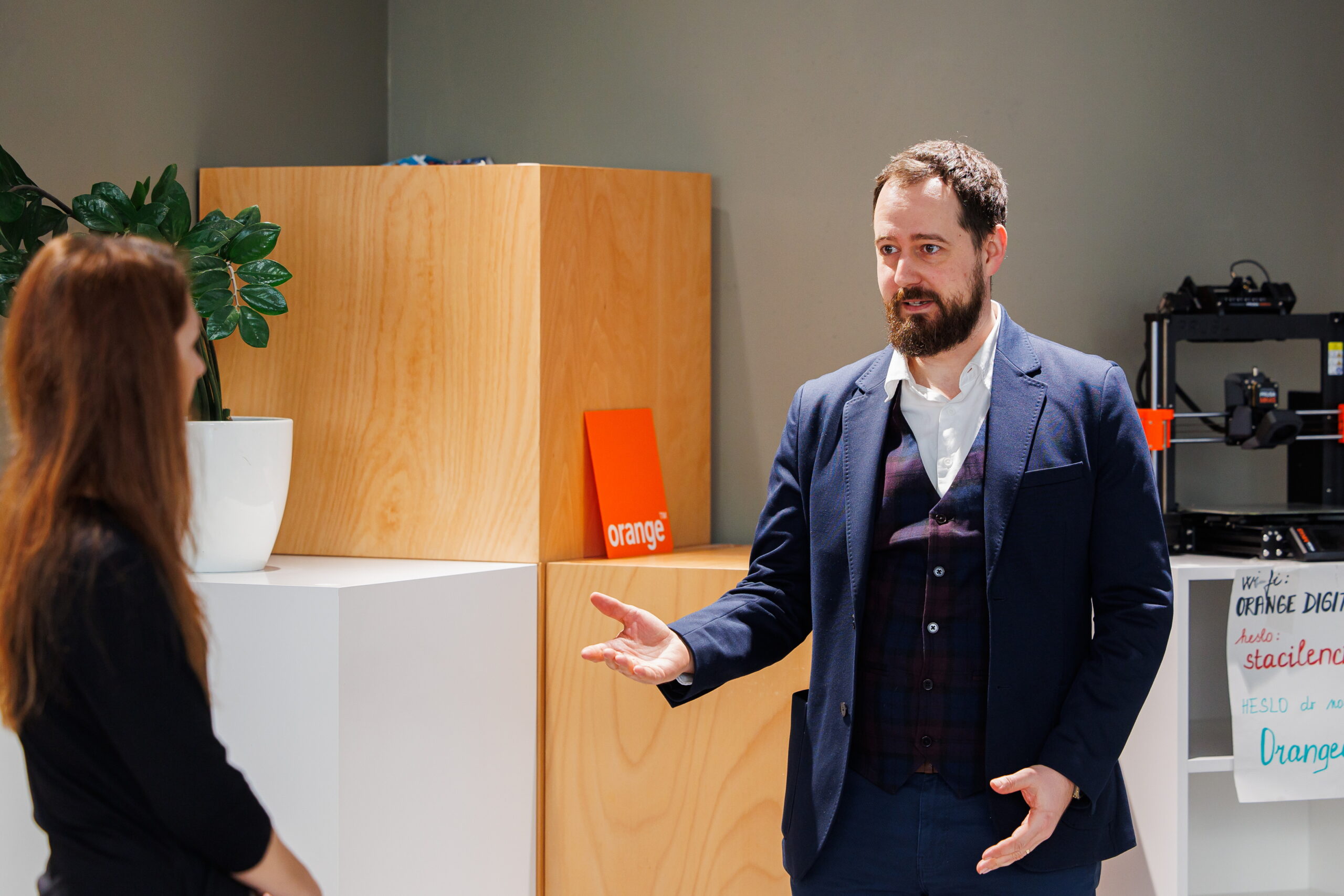
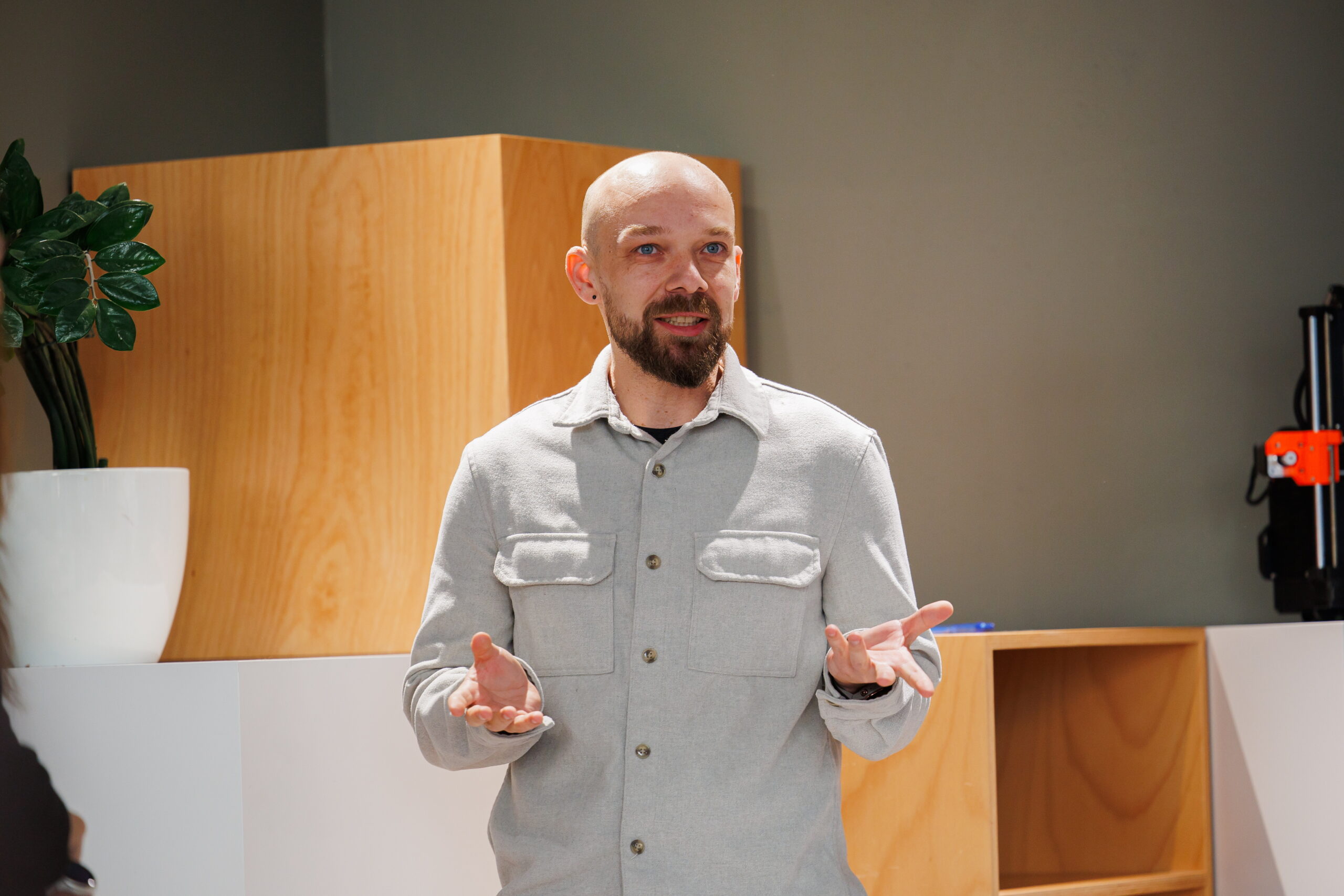
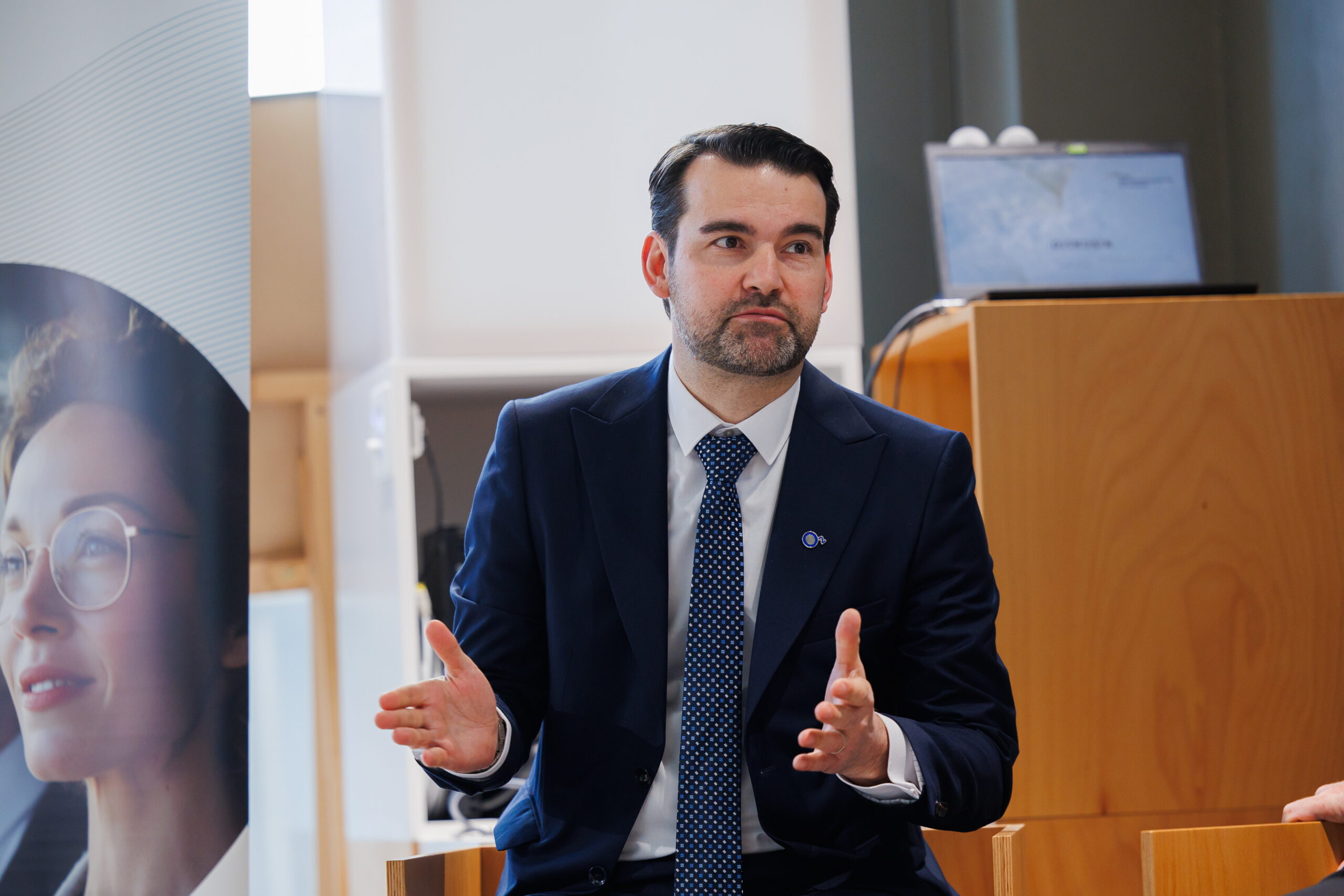
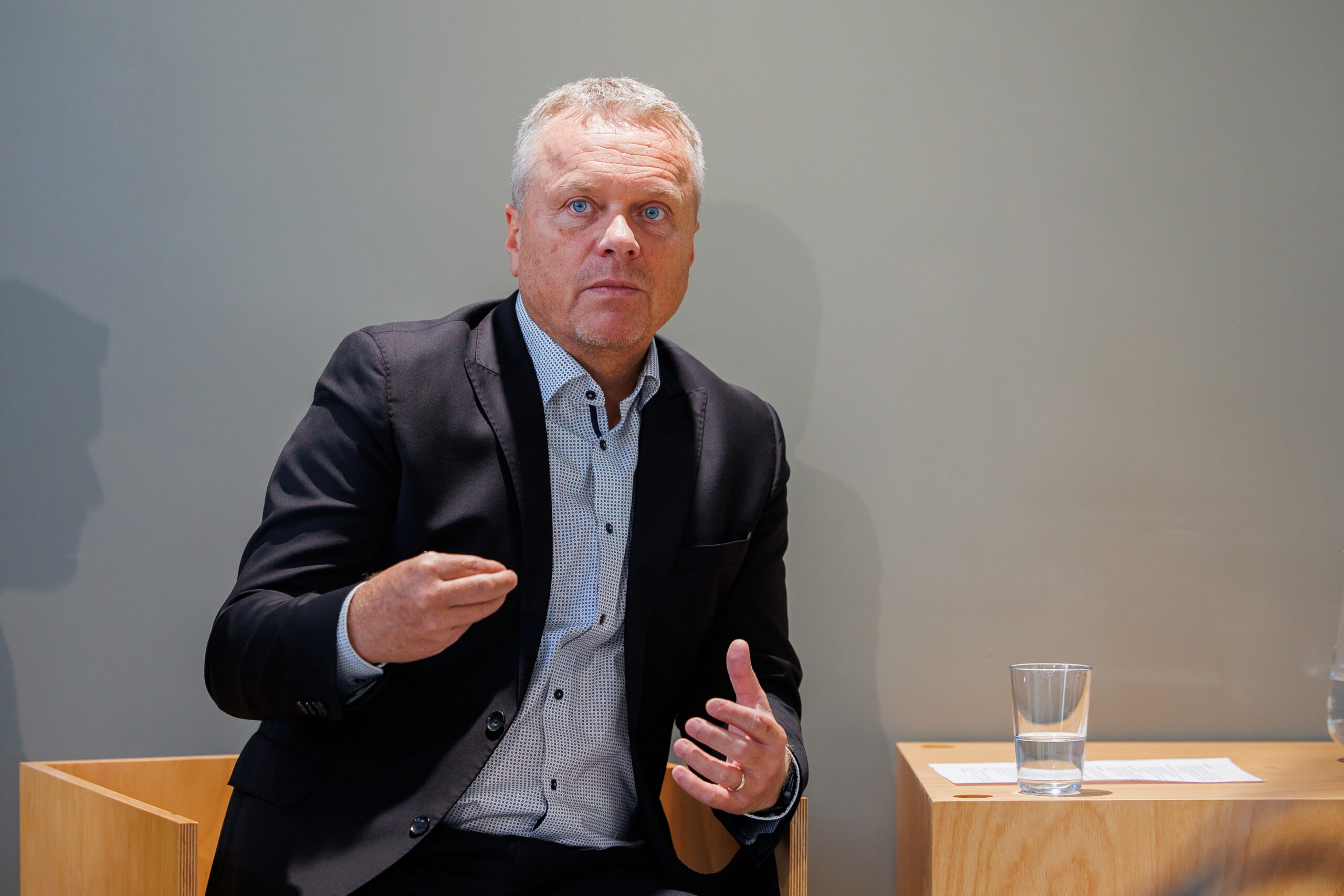
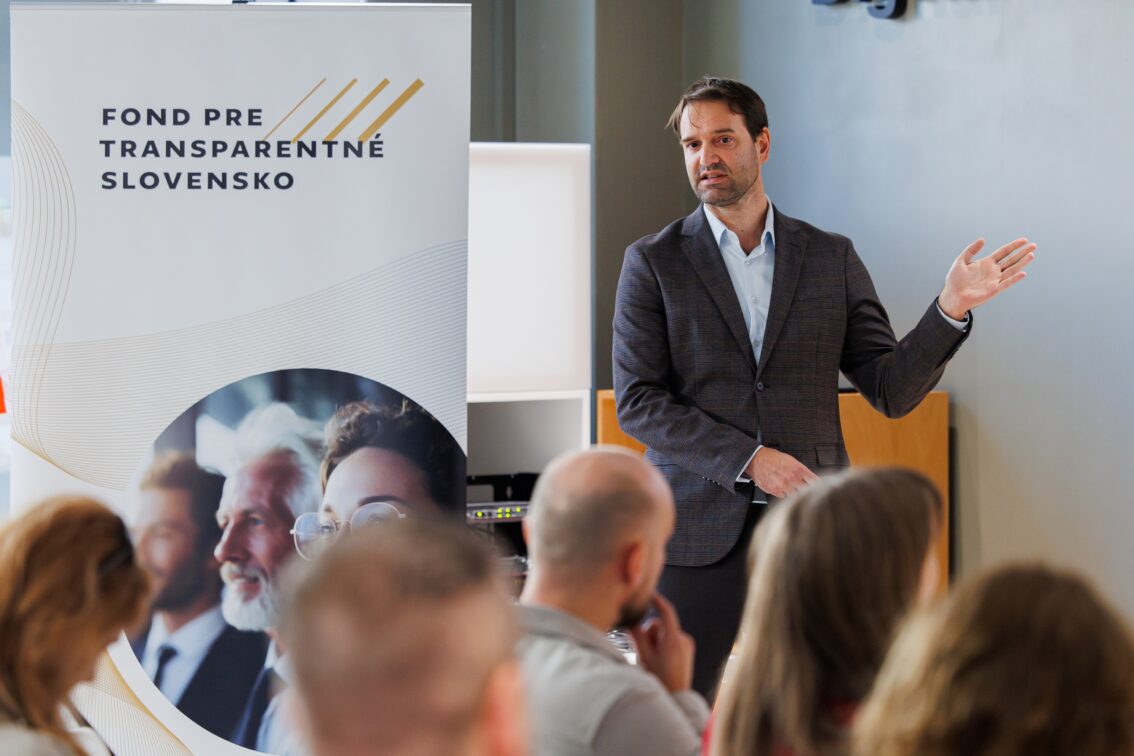
The speakers included Matej Stuška from O2 Slovakia (left) and Ľubomír Andrassy from the Supreme Audit Office of the Slovak Republic.
Ľ. Andrassy pointed out that the Supreme Audit Office has been conducting such audits for a long time, but the problem does not lie within NGOs. “The system does not work because those providing subsidies fail to fulfill their responsibilities. Last year, we completed an audit at the Ministry of Defence with major findings showing how the transparent decision-making process regarding applications was not functioning. It is unfortunate that no one has yet taken the conclusions of our audits seriously or translated them into governing process changes,” he said.
Together with Zuzana Petková they agreed that communication toward the public must be framed in a way that helps ordinary people understand the importance of public oversight and the impact corruption has on their everyday lives.
FfTS and Looking Ahead
In January and February, a series of interviews was conducted with organizations supported by FfTS over the past five years. “We opened an honest conversation with them about how they are doing today. We were particularly interested in their current condition, what has recently improved or complicated their operations, what type of support is most beneficial to them today, and what their plans are for the future,” explained Petra Luptáková.
The aim of these stakeholder dialogues was to better understand expectations and ideas regarding the ideal setup of donor support in the future. Donor support should primarily focus on the long-term stabilization of organizations – nonprofits prefer multi-year institutional funding covering the capacities of key team members. At the same time, it is important to acknowledge and support systematic watchdog activities, which are essential for the functioning of democracy, even if they are not always perceived as innovative. Organizations are also calling for reduced administrative burdens wherever possible.

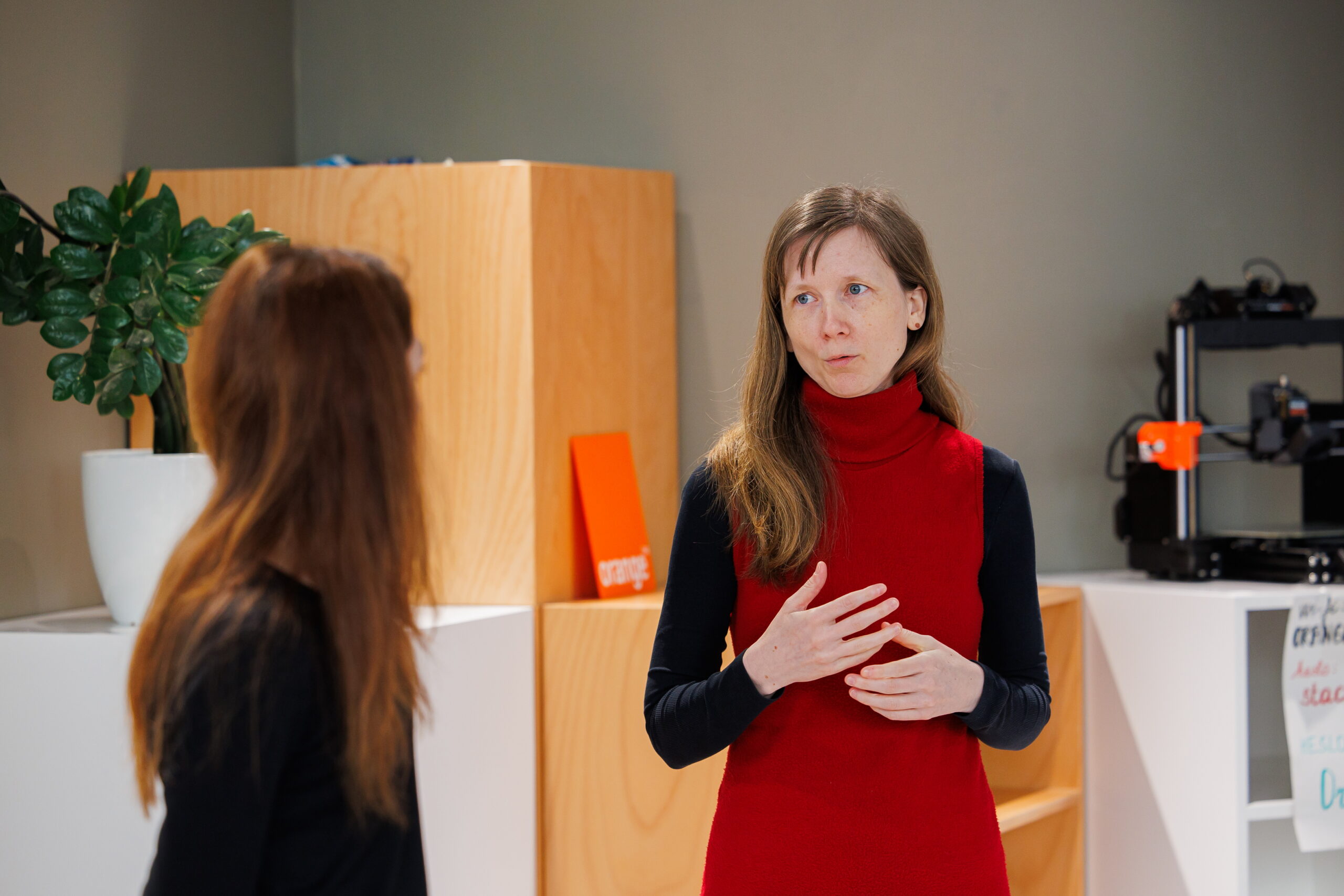
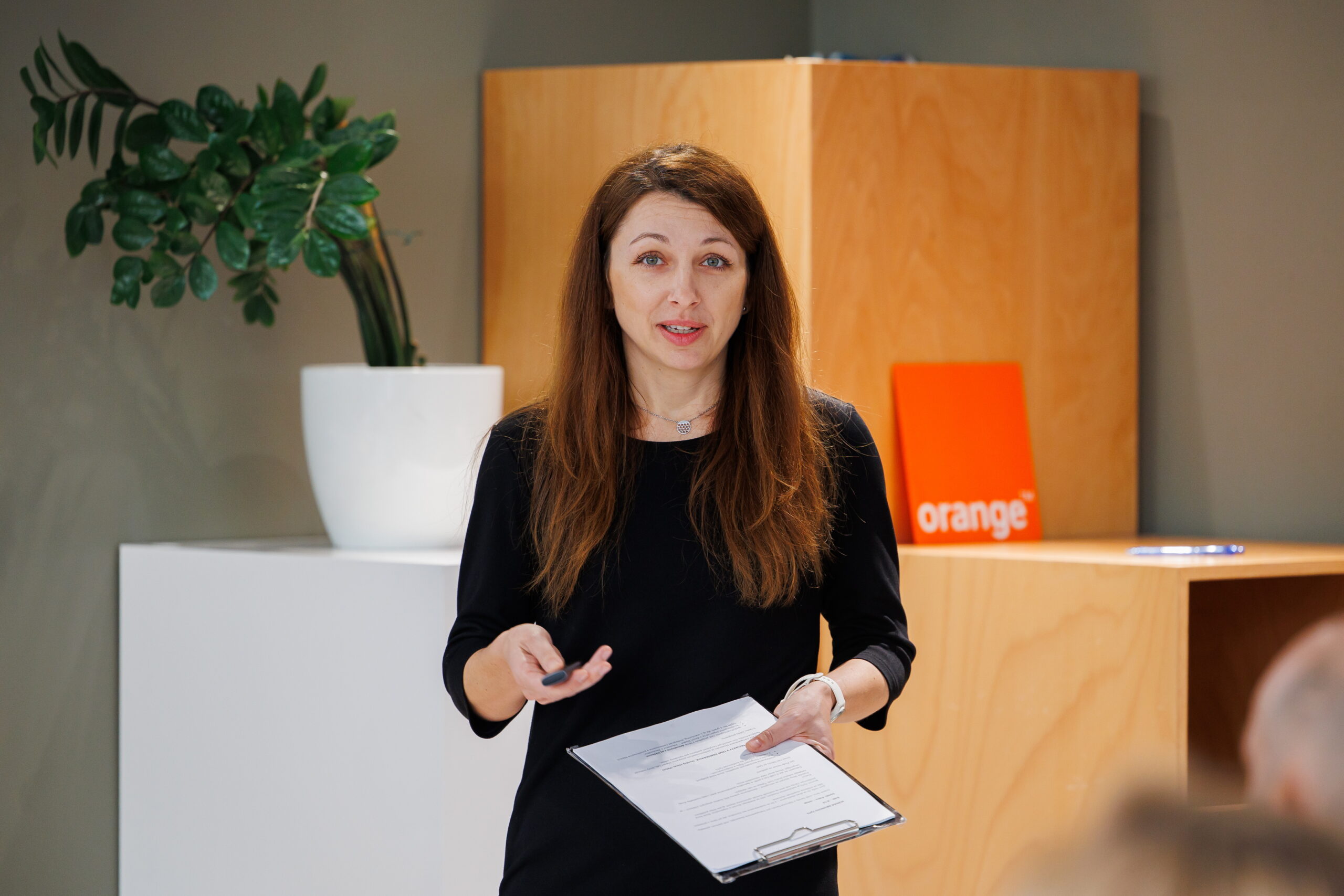
Program Manager of the Fund for Transparent Slovakia Petra Luptáková
Further strategic steps of FfTS will be discussed by the fund’s executive committee and subsequently by its members.
PROJECTS SUPPORTED THROUGH IMPACT LAB GRANTS
Academy of the Law Institute
The project of the civic association Law Institute, which educates, connects, and supports lawyers in defending democracy, human rights, and the rule of law, was presented by its Program Manager Jana Ďaďová. The goal is to strengthen professional integrity and engagement among future lawyers. In addition to educational activities, the institute provided mentoring from practitioners, academics, attorneys, and prosecutors. The project also included support for the civic sector through real assignments from civic associations, answers to frequently asked legal questions, and supervision from law firms.
Protection of Civil Society in Slovakia
The activities of the VIA IURIS project directly responded to the adopted amendment to the law on nongovernmental nonprofit organizations. As part of preparing civil society organizations for the obligations resulting from the amendment, nine online workshops and four in-person workshops were held. Peter Čuroš from VIA IURIS recalled that the project also included expert analyses assessing the compatibility of the legislation with the Slovak Constitution, which served as a basis for filing a complaint for the Constitutional Court. The advocacy campaign against the so-called “Russian law” was successful, and the Constitutional Court ruled that the legislative changes regulating civic organizations were unconstitutional. Thanks to the grant and a mentor from the Pontis Foundation, the project also succeeded in improving the organization’s governance structure, introducing tools for better capacity planning and responsibility-sharing, and defining roles and career growth within the content team.
Community Organizing Academy
“Democracy relies on engaged and interconnected citizens,” said Maroš Chmelik while presenting the project of the Center for Community Organizing in Zvolen. The organization supports active citizen participation in public decision-making processes. As part of the Community Organizing Academy project, there was created an educational program focused on active citizenship and building community power in the areas of social and environmental justice. The program is intended for people working in communities, civic initiatives, or informal collectives who want to create change systematically and over the long term. The pilot year of the academy is taking place this year.
PROJECTS SUPPORTED BY FFTS GRANTS
Responsible Procurement: A Guide for Officials and Citizens
Through its public procurement project, the Stop Corruption Foundation analyzed how oversight of public procurement in Slovakia deteriorated after legislative changes introduced in August 2024. The conclusions presented by Xénia Makarová were clear – procurement transparency declined, competition weakened along with pressure on prices, access to contracts for fair companies was reduced, and opportunities to review contracts before signing were significantly limited. Nearly two thirds of companies stated that after the loosening of procurement rules, contracting authorities no longer invited them to participate in tenders, while short deadlines for submitting bids also discourage participation. The project produced recommendations for accelerating procurement processes without reducing transparency, a model for more transparent municipal procurement, and a public procurement guide for citizens.
The Bill for EU Funds: How Does Slovakia Compete for Public Money?
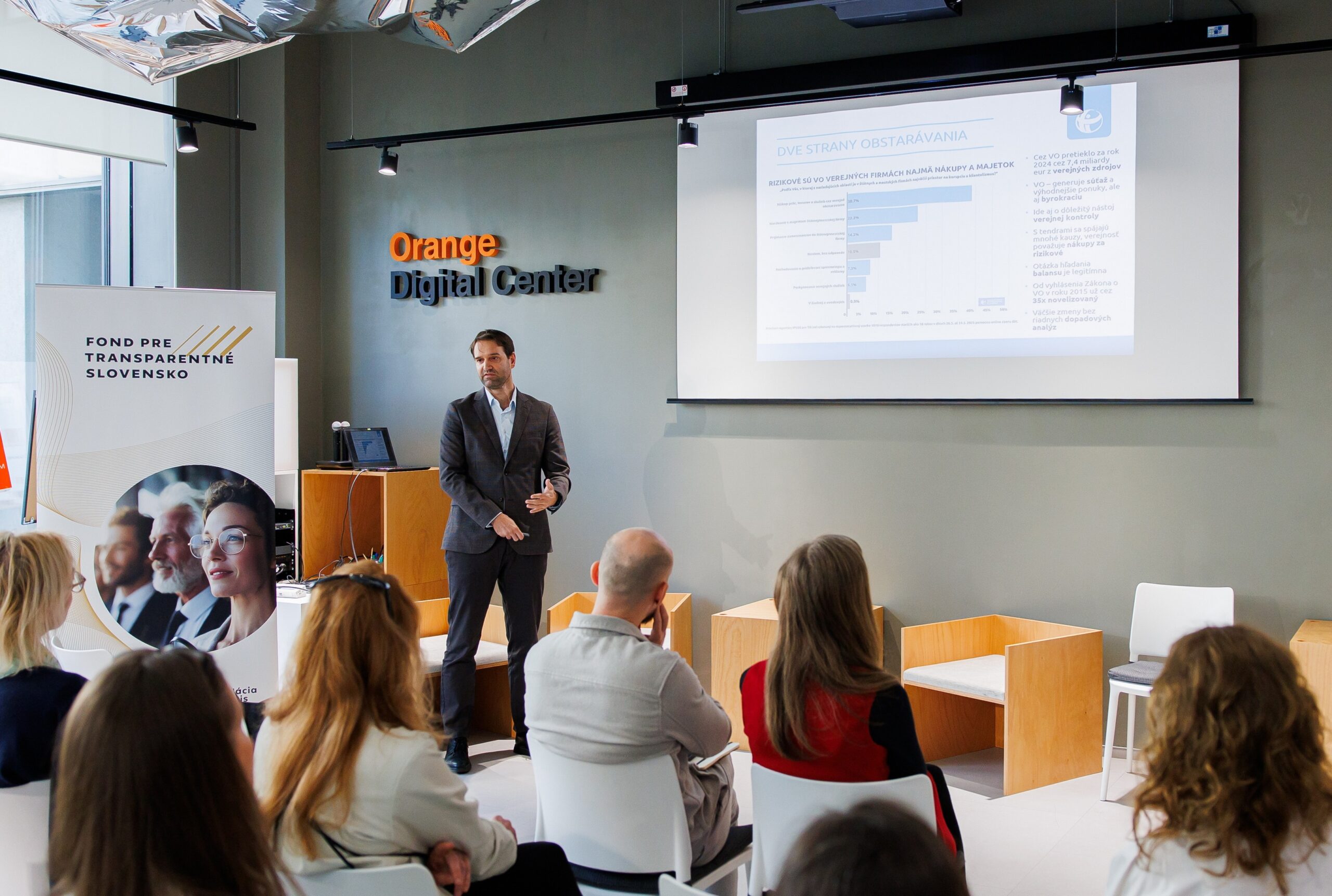
Every year, €7.4 billion flows through public procurement processes. Many tenders are considered high-risk, and the situation is further complicated by frequent legislative changes. A project by Transparency International Slovakia showed that the latest amendment, intended to speed up procedures, resulted in lower transparency and reduced savings in public contracts. An analysis of 494 procurements confirmed that public contracts have become shorter but more expensive. The project also introduced a new version of the Bill for EU Funds portal, which expanded information on completed and ongoing EU-funded projects with data on procurement, owners, and contracts. According to Michal Piško, the data is publicly accessible so that every citizen can participate in monitoring how Slovakia spends European funds.
Digital Oversight of IT Procurement
While presenting the project, Ladislav Kovár from the civic association Slovensko.Digital explained that the organization abandoned its original plan due to the NasesGate case. The case involved preparations of mega-contracts within NASES worth €80 million. Slovensko.Digital discovered that approval processes at the Ministry of Informatization had been bypassed, projects had been divided into smaller parts under €10 million, and conditions were tailored to specific suppliers. The case escalated after the contracts were declared a strategic investment. Investigators and the Public Procurement Office are currently examining the matter. According to Ladislav Kovár, procurement in the IT sector is less transparent and more complicated than other public tenders, which is why Slovensko.Digital plans to return to the issue of digital oversight in the future.